

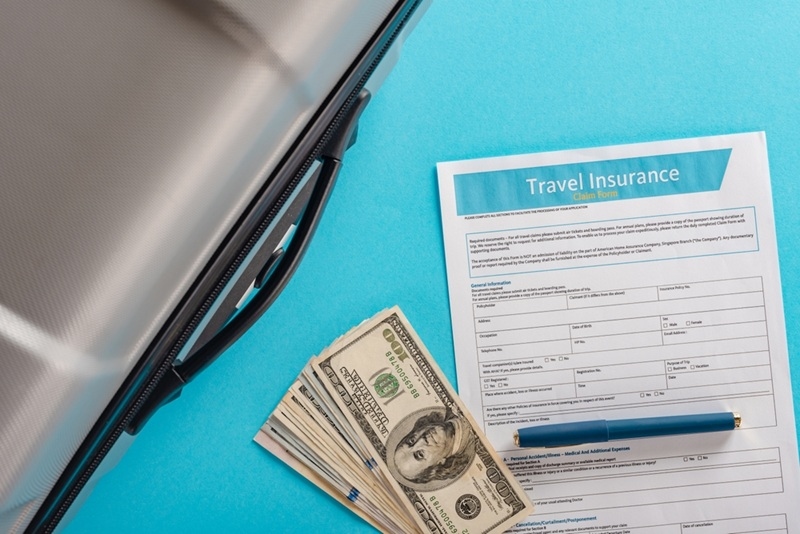
Planning an international trip? It’s thrilling, sure, but you can’t ignore travel insurance—it’s as important as booking flights and hotels. In 2026, travel insurance is still a smart move, protecting you from surprise expenses like medical emergencies, trip cancellations, or delays. Lots of people forget about this at first, but once you get how the pricing works, finding a solid plan without overpaying feels a lot less stressful.
This guide breaks things down in plain English: how insurance pricing works, what bumps up your costs, and how to pick the best plan from all those global options out there.
So, what should you expect to pay? In 2026, travel insurance usually runs between 4% and 10% of your total trip budget. The more you spend on your trip, the higher your insurance bill—simple math. If you’re shelling out $3,000, you’ll probably pay anywhere from $120 to $300 for insurance. Got a $5,000 trip? Expect $200 to $500. And if you’re splurging on something fancy, the price climbs even more. The cost is clearly tied to how much your entire adventure costs.
Most travelers find this pretty reasonable when they look at the protection they get. Paying a little bit up front can save you a fortune if things go sideways, so travel insurance ends up being practical and, honestly, essential.
You May Also Like This: Full Coverage vs Liability Insurance Explained Guide
A few things push your insurance costs up or down, and knowing them gives you a better shot at sticking to your budget.
Cover type makes a difference. Basic plans are cheaper, but they cover less. An all-inclusive plan may be more expensive than a basic one, but an all-inclusive plan will have you covered if your luggage gets lost or if you need to be evacuated for an emergency. Finding the proper coverage requires balancing price and protection.
To learn more about pricing, let’s take a look at how insurance companies calculate what you will pay for your policy. The supplier will assess several factors to evaluate your probability of making a claim. These factors include: your age, cost of the trip, travel destination, and the number of days away from home.
The more features in your plan—like medical evacuation, trip interruption, or cancellation—the more you pay. But honestly, these perks are worth it, especially when you’re halfway across the globe.
When you buy insurance matters, too. Get your policy early, and you have more options, maybe even a better deal. Wait until the last minute, and the choices shrink, and the costs go up. So, if you’re looking to save, don’t drag your feet.
If you’re comparing travel insurance plans, you’ll notice coverage for trips to the USA costs a lot more than policies for other countries. Honestly, it comes down to the price of healthcare—if you need even basic treatment in the U.S., you could face huge bills. Insurers know this, so the risk is higher, and they bump up the premiums.
That extra cost isn’t just for show. It’s there because skipping insurance in the U.S. would leave you wide open to financial disaster if something goes wrong. Sure, going to other destinations usually means lower premiums, but the point of travel insurance doesn’t really change. No matter where you go, insurance keeps you prepared for surprises.
Read Next: Long Term Care Insurance Basics for Future Security
There are many types of travel insurance available, and not every type will provide you with adequate protection or coverage. Before selecting travel insurance, you need to determine the specific type of travel insurance that best fits you and your travel needs.
Single-trip plans are pretty straightforward—they’re for people who travel occasionally, and they cover just one journey. These are usually the cheapest. If you’re always on the move, multi-trip plans make more sense since they cover several trips throughout the year and can save you some money in the long run.
Comprehensive plans do pretty much everything—they cover medical emergencies, cancellations, and lost bags. They cost more, but you get the best protection. If you’re watching your budget, basic plans handle just the essentials, so they’re cheaper but still give you peace of mind.
Want to pay less for overseas insurance? First of all, select the insurance coverage you really need. Don’t buy extras that you won’t use. Also, you should shop around, compare different plans from various providers to find the ones that fit you best, and that might also be cheaper.
Securing your insurance in advance generally leads to getting the lowest prices and a larger variety of options. Besides, be practical when you set your budget for a trip. The less you spend on your trip, the lower your insurance premium will be. Even minor changes to your plan can significantly lower your total overseas coverage cost.
It fundamentally depends on your travel style and what you want most out of your journey when picking an insurance plan. A short trip, for instance, might only require a basic global travel insurance plan. That said, when it comes to long or costly journeys, it is wiser to opt for thorough insurance.
Always doing a thorough comparison of the pros and cons, checking the limits, and knowing what being covered entails before buying is the best way. In this way, you will be able to relieve your international travel insurance cost a bit while still having a strong worldwide travel protection that will give you a safe and worry-free trip.
Check This Out: How Life Changes Affect Insurance Costs: Marriage to Career
Knowing what international travel insurance costs look like in 2026 can help you plan ahead and avoid any nasty surprises along the way. The price depends on things like how expensive your trip is, your age, where you’re headed, and the coverage you pick—but most people end up spending just a tiny part of their whole travel budget on insurance.
Travel insurance is a blanket of safety that covers you worldwide and lets you focus on the pleasant aspect of traveling rather than pondering the safety issues.
Typically, you will pay from 4% to 10% of your entire trip cost, based on your coverage and trip details.
Due to the fact that the health care system in the USA is very costly and the probability of incurring large medical bills is significantly higher, U.S. plans are priced higher.
Your trip cost, your age, the destination, and how much coverage you want are the main factors influencing the price.
Yes, it’s important. It protects you from losing money if you run into medical emergencies, cancellations, or unexpected disruptions.
This content was created by AI